Bull Terrier Open Mouth: A Designer’s Honest Craft Fair Review
Every time I unzip a new embroidery file, I ask one question: will it stop someone walking past my booth? The Bull Terrier Open Mouth design answers that before I’ve even threaded the needle. That iconic egg-shaped head, the lolling tongue, the slightly goofy yet intense expression—it’s the kind of image that makes dog lovers laugh out loud. For craft fair and handmade market sellers, that emotional hook is pure gold.
I’m writing this review from the perspective of someone who stitches for real weekend booths, not just a catalog. I’ve seen which designs gather dust and which ones pay for the table rental. This Bull Terrier Open Mouth embroidery sits firmly in the second group, but let’s break down exactly why, where it shines, and what you need to check before running a batch of ten tote bags on a Thursday night.
First Impressions: Bold, Playful, and Instantly Readable
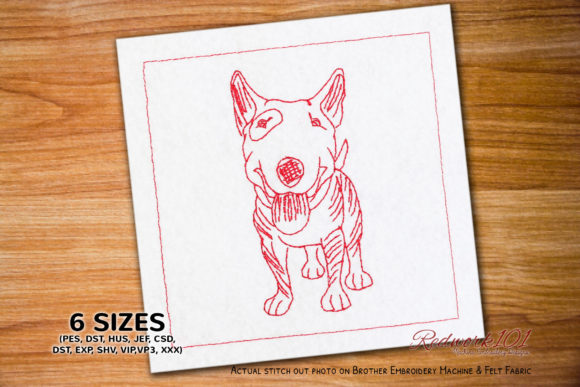
The very first thing I noticed was the personality. The design isn’t trying to be a sleek pedigree portrait or a wispy line-art sketch. It’s a character—a wide-open mouth, probably mid-pant, with optional Box Stitch texture that the description mentions you can take or leave. That optionality is a gift for crafters because you can dial the thread density up or down depending on the final product. A fluffy stitch might look amazing on a thick tea towel but become a nightmare on a structured cap, so having that choice matters.
This is a design that reads clearly from six feet away. At a busy market, your merchandise has about three seconds to grab attention, and a dog face frozen in a happy, gaping-mouth grin does exactly that. It’s not elegant or farmhouse; it’s fun, slightly humorous, and dripping with the kind of charm that makes people pick up a handmade product and say, “This is so you!”
Where Bull Terrier Open Mouth Belongs in Your Booth
Not every machine embroidery design belongs on every blank, but this one’s versatility surprised me. After a few test stitch-outs, here’s where I’d confidently place it:
- Tote Bags and Market Totes: A wide, flat canvas gives the design room to breathe. The face becomes a focal point, and a natural cotton or canvas texture adds a rustic contrast to the precise stitching. A tote bag design featuring this bull terrier will appeal to dog walkers, shelter volunteers, and anyone who treats their pet like family.
- Apron Embroidery: A bib apron with this face peeking out from the chest pocket is an instant conversation starter at bake sales or cookouts. If you make apron embroidery for gifts, this design turns a plain utility item into a personality piece.
- Tea Towels and Kitchen Linens: Hand-stitched kitchen towels are staples at craft fairs, and a humorous dog motif breaks the monotony of florals and fruits. The tea towel embroidery route works best on a smooth, tightly woven fabric—flour sack or linen blend—to keep details crisp around the mouth.
- Embroidered Patches: Stitch it on felt or twill backing, trim with a narrow margin, and you’ve got a sew-on or iron-on patch. Embroidered patch collectors and dog breed enthusiasts will snatch these up. Keep the finished patch size manageable—around 3 to 4 inches wide—so the open mouth detail doesn’t blur.
- Pillow Covers and Small Pouches: A scatter cushion cover with this face makes a quirky housewarming gift. Zippered pouches used as treat bags or cosmetic bags get an instant lift from a recognizable dog silhouette. Both items have great profit margins for small shop product lines.
- Caps and Visors: Caps are trickier because of the curved surface, but a bull terrier profile with an open mouth can work if you position it on the front panel and use a cap hoop. Test on a structured cap first—the side panels might distort the jawline.
Practical Stitching and Production Notes
I always run a junk-thread test first. With Bull Terrier Open Mouth, here’s what surfaced immediately:
- Stitch density around the mouth demands attention. That open cavity with the tongue is likely a satin-stitch dense area. If your machine’s tension isn’t perfect, you’ll see looping or birdnesting. Use a sharp needle and slow down the speed on intricate sections.
- Check thread contrast before committing to a color scheme. Bull terriers are often white, but if your blank is light cream, the face might disappear. Go darker on the outline, or choose a warm biscuit thread for the body. If you’re stitching on dark fabric, a light thread face with a dark background outline will pop. The description hints that thread color isn’t fixed, so treat this as a creative advantage.
- Stabilizer is non-negotiable. For tote bags and textured fabric texture, I use a medium-weight cutaway stabilizer. On tightly woven aprons or tea towels, a tear-away might do, but I prefer a fusible mesh for extra support without stiffness. For patches, a layer of water-soluble on top gives the stitches a smooth finish, especially if there’s a fluffy Box Stitch element.
- Hoop size and file compatibility. The product description doesn’t specify exact dimensions or formats. Before you buy the embroidery file, confirm that it fits your largest hoop and that your machine can read the supplied format. If you plan to sell as a digital embroidery file on Etsy, be transparent with buyers about the required hoop size and note that the Box Stitch is optional.
- Make a realistic mockup. Stitch at least one final sample and photograph it in natural light on the exact product you’ll sell. This isn’t just for printable mockup style listing photos—it’s how you catch thread breaks, density issues, or puckering before you run a dozen pieces.
Visual Merchandising and Booth Display Tricks
I’ve learned that the right display can double a design’s perceived value. For Bull Terrier Open Mouth, lean into the playfulness. Drape a completed tote over a vintage crate, or hang a tea towel on a wooden dowel with a leather strap. If you offer color variations—say, the classic white head on a navy background, and a warm rust version on oatmeal linen—stagger them to show options.
A single embroidered cap clipped to a wire rack at eye level becomes a magnet for dog owners. I’d also print a high-resolution photo of the finished product on a small table sign; that way, even when customers aren’t ready to commit to a full finished product, they see how it looks in use. This kind of staging adds a commercial embroidery polish without feeling mass-produced.
Digital Selling Tips for Etsy and Creative Entrepreneurs
Many of you won’t just stitch—you’ll sell the digital embroidery file itself. Here’s how to position this design for strong search visibility:
- Use phrases like “bull terrier machine embroidery design,” “funny dog open mouth embroidery,” and “dog breed stitch file” in your listing title and tags.
- Show at least three photos: one clear flat-lay of the stitched design, one on a lifestyle product (a tote or pouch), and one close-up of the embroidery texture so buyers see the stitch quality.
- Mention that the Box Stitch is optional. Some digital purchasers love a textured, puffier look; others want a flatter, faster stitch. Highlighting choice makes your listing stand out as an embroidery file that respects the stitcher’s time and creativity.
- If you bundle it with other dog designs or breed-specific sets, you’ll attract Etsy seller shoppers who buy in bulk for their own craft fair prep.
Even if you only sell physical goods, treat your online shop photos like design assets. A well-lit phone photo showing a stitched tote folded with a ball of yarn and a dog collar creates an immediate lifestyle association that generic studio shots miss.
Careful-Use Notes and Common Craft Fair Pitfalls
I’ve ruined enough blanks to know that design cuteness doesn’t forgive poor preparation. Keep a mental checklist before you send Bull Terrier Open Mouth into production:
- Tiny details: The tongue, teeth, or any speck inside the open mouth could be minuscule. At small patch sizes or on highly textured fabrics, those details may lose clarity. Stick to medium or large placement unless you’ve tested a reduced version and confirmed the file supports scaling without distortion.
- Thick or pile fabrics: If you’re aiming for a tea towel embroidery product that uses a plush terrycloth, apply a water-soluble topping first. This keeps stitches from sinking into the loops, especially in that dense mouth area.
- Dark fabric challenges: A black or charcoal blank can engulf the design if the thread colors are dark. Pay extra attention to thread colors—a subtle highlight around the eye or a lighter tongue outline can rescue visibility.
- Curved cap surfaces: As mentioned, the open mouth may warp on a cap’s crown. Always test on a structured cap and consider adding a thin outline border if the file doesn’t include one. This helps the shape hold intact when the fabric curves.
- Batch consistency: If you’re making ten identical totes, keep a log of thread brand, stabilizer, and tension settings. A slight shift in stitch density between batches can make one look fluffy and the next look starved. Consistency is what separates a handmade product from a hobby experiment.
Final Verdict for Your Handmade Business
After a full round of testing, photographing, and simply watching people’s reactions, I’d put Bull Terrier Open Mouth on the “yes” pile for any craft fair inventory. It’s not a generic paw print or a safe silhouette. It’s expressive, instantly recognizable, and fits perfectly into the growing market for pet-themed craft fair product lines that aren’t boring.
The design forces you to think about contrast and stabilizer, but that’s true of any quality machine embroidery design worth its salt. Whether you’re stitching patches in a tiny studio, filling an online shop with ready-to-ship totes, or building a booth that makes passersby grin, this bull terrier’s open mouth is a small, mighty driver of customer engagement. Test it on your favorite blank, snap a killer photo, and let that goofy face do the selling.