Cute Grim Reaper Embroidery Design Review
First Impression at the Craft Fair Table
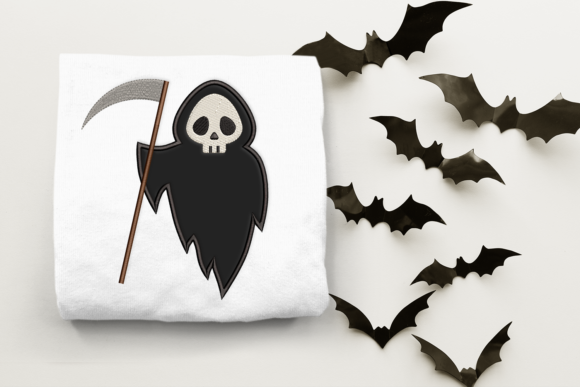
I opened the Cute Grim Reaper file late on a Tuesday evening, coffee in hand, preparing for a packed weekend market. My first thought was that the design walks a delicate line. It is not purely spooky and it is not purely sweet. The skull-faced character holding a scythe reads as scary cute, exactly as the product description promises. That phrase matters. Booth shoppers glance for less than three seconds. A design that blends two moods grabs attention and holds it just long enough to spark a conversation. For a Halloween craft fair table, this balance is a real advantage. Parents buying for children stop and smile. Older shoppers looking for something festive but not gory pause and pick up the sample. In a sea of traditional jack-o-lanterns and generic bats, Cute Grim Reaper gives a booth a slightly edgy, slightly playful personality that customers remember.
What Makes the Design Work for Handmade Sellers
When I evaluate any machine embroidery design for a commercial lineup, I ask three questions. Does it read clearly from six feet away? Does it hold up on multiple fabric types? Does it photograph well for an Etsy seller listing? Cute Grim Reaper passes all three tests with notes. The silhouette of the reaper with a scythe is distinct. Even from across a busy market aisle, the shape tells a little story. I tested the embroidery file on a cotton tote bag first. The skull face details stayed crisp without feeling cluttered. The scythe curve added movement. On a dark fabric, the contrast popped beautifully with a soft silver-gray thread and muted black robe fill. On lighter fabric, I used charcoal thread for the cloak and a warm off-white for the skull, and the result felt like a tiny piece of folk art. That versatility makes this design a strong craft fair product because I can offer it in multiple colorways without extra digitizing work.
Tote Bags and Market Bags
A tote bag design featuring this grim reaper instantly becomes a seasonal statement. Booth customers love buying Halloween totes for grocery runs, library trips, or gift wrapping alternatives. The design sits well centered on a standard 14-inch by 16-inch canvas bag. I prefer a medium hoop size, around 5x7 inches, which gives enough space for the skull face details to stay sharp. The curved scythe handle does not warp, even after repeated washes, when I use a cutaway stabilizer and quality polyester thread. At a craft fair, shoppers pick up a tote, hold it over their shoulder, and that is when the Cute Grim Reaper really sells itself. It looks intentional and finished, like a boutique handmade product, not a last-minute iron-on.
Apron Embroidery
Apron embroidery for Halloween baking events or hostess gifts is another smart avenue. Placing Cute Grim Reaper on the upper bib of a black or charcoal apron creates a clean, modern look. The design does not feel juvenile. It reads more like a graphic from a specialty kitchen collection. I recommend a dense, matte black thread for the robe and a tiny pop of metallic silver in the scythe blade for an upscale feel. This lifts the perceived value of the finished product and justifies a higher price point at the booth. Customers shopping for a friend who loves Halloween or hosts annual parties will gravitate toward this item. It bridges the gap between novelty and everyday usefulness.
Tea Towels and Kitchen Linens
One of my most reliable sellers every autumn is the tea towel embroidery. A simple flour-sack towel with a single accent design draws eyes immediately. Cute Grim Reaper works best on a towel folded and draped over a basket edge, where the reaper peeks out playfully. I tested it on a textured towel with a subtle waffle weave. The key is a water-soluble topping to keep the stitches from sinking into the fabric texture. Once hooped correctly with a medium-weight cutaway stabilizer, the design retained its crisp edges. The skull facial features did not lose definition, which is critical for a design that relies on a recognizable face. I sell these towels in sets of two, paired with a coordinating orange and black ribbon tie. They move fast.
Embroidered Patches
A small embroidered patch version of this design opens up a completely different market. Reducing the Cute Grim Reaper to fit a 3-inch or 4-inch patch format requires careful attention to stitch density. The skull face must remain readable. The scythe blade cannot bleed into the cloak. I digitized a simplified version with slightly thicker outlines and fewer inner fill areas to accommodate the smaller scale. The result was a patch that looked fantastic on denim jackets, backpack flaps, and beanie hats. At a craft fair, young shoppers and alternative-style customers gravitated straight to the patch display. These small items have high perceived value, low production cost, and incredible impulse-buy appeal. I keep a bowl of them near the register as a grab-and-go small shop product.
Pillow Covers and Home Decor
A decorative pillow cover with Cute Grim Reaper as a focal point brings the design into home decor territory. This is not a traditional Halloween print. It feels more like a curated, indie designer piece. I tested it on a linen-blend cover in soft cream. The reaper sat in the lower right corner, slightly off-center, and the negative space around the design gave it a contemporary, gallery-like feel. For evening markets or indoor boutiques, this type of product draws longer dwell time at the table. Shoppers touch the fabric, examine the stitch quality, and often ask if it is a commercial embroidery design they can buy. Having a few pillow samples sprinkled across a booth elevates the entire display.
Booth Display and Visual Impact
How Cute Grim Reaper affects a table arrangement matters greatly. I set up a mock booth before every market. I placed this design on a black canvas tote hung at eye level, flanked by two tea towels and a folded apron. From the aisle, the rhythm of repeating skull faces and scythe curves created a cohesive, branded look. The design is distinct enough to be recognized from a distance yet varied enough across products to avoid monotony. Because it feels scary cute, I used a mix of moody thread colors and soft, unbleached fabric to balance the display. A purple-gray thread on the robe, a bone-white skull, and a muted rust-orange for accent stitches gave the whole booth a fall atmosphere without screaming Halloween clichés. Buyers commented on the mood and often purchased multiple items to keep the theme going at home.
Photographing Cute Grim Reaper for Online Listings
For Etsy seller product photos and social media content, Cute Grim Reaper is a cooperative subject. The high contrast between the skull face and dark robe creates a focal point that autofocus cameras latch onto easily. I shot flat lays on a weathered wood board and on a dark slate surface. The embroidery details remained sharp in natural window light. A macro shot of the chest area, where tiny robe folds meet the skull jawline, added a layer of craftsmanship evidence that online buyers look for. I always include one lifestyle photo, such as a tote on a park bench or an apron hanging on an oven handle. These printable mockup publishing assets help digital embroidery file sellers show value without needing a physical sample of every product. The visual story of Cute Grim Reaper is flexible enough to fit flat lay, hanging display, or worn-product photography.
Practical Production and Careful-Use Notes
No design is perfect straight out of the download folder. With Cute Grim Reaper, I took protective steps during test stitching that any professional should follow.
- Test on scrap fabric first. I ran the design on a piece of quilting cotton identical to my tea towel material. This revealed one dense spot near the scythe handle where the robe fill met the weapon shaft. I adjusted my machine speed and switched to a 75/11 needle to prevent thread breaks.
- Check thread contrast. The skull face uses fine detail lines for eye sockets and nose cavity. On very dark fabric, a slightly lighter thread for the skull outline prevents the face from dissolving into the background. I tested a pale gray against black cotton and a soft ivory against charcoal. Always run a sample before committing to a batch.
- Review spacing and hoop size. The description notes this design comes with multiple embroidery file formats, which is helpful. I advise confirming the exact hoop size requirements before purchasing. I used a 5x7 hoop for the larger version and a 4x4 for the patch-sized edition. Check the product details to ensure the file you select fits your machine’s capability.
- Inspect stitch density. The robe area is where density could become problematic. If the fill feels too heavy on lighter fabric, puckering happens. I used a medium-weight cutaway stabilizer and a topping film on textured towels. This combination kept the fabric flat and the detail sharp.
- Use the right stabilizer. For totes and aprons, a cutaway stabilizer provided lasting support. For patches, I used a tear-away with a layer of heat-n-bond backing to make application easier for the end customer.
- Create at least one real mockup. A printable mockup is useful for digital listings, but nothing replaces a physical sample at the craft fair table. I stitched Cute Grim Reaper on a small zip pouch and carried it in my own bag for a day. The wear test gave me confidence to talk honestly about durability when customers asked.
- Compare fabric colors. I tested the design on black, charcoal, cream, soft orange, deep purple, and heathered gray. The most striking combination was cream fabric with a dark charcoal robe and a metallic copper scythe blade. That pairing sold out before lunch on market day.
- Confirm commercial licensing. If the digital embroidery file is intended for commercial embroidery use on products you sell, verify license terms with the designer. The product page should state whether design assets allow finished physical product sales. I never assume. I check, because a licensing violation at a public craft fair can damage a small business reputation quickly.
Who Should Add Cute Grim Reaper to Their Lineup
This machine embroidery design suits a broad range of creative entrepreneurs. Stitchers who cater to alternative fashion, gothic-inspired home decor, or playful spooky season markets will find it a reliable performer. I see it thriving in booths run by small shop product owners who already sell funny kitchen towels, quirky tote bags, and boutique baby items. The design’s cute factor opens nursery decor possibilities, too, for parents who enjoy a gentle touch of Halloween whimsy. Craft fair sellers who build their brand around seasonal collections can drop Cute Grim Reaper into an autumn product line without disrupting an established brand voice. It plays well with others. I mixed it with simple leaf motifs, word art designs, and solid geometric patterns, and nothing clashed.
Final Thoughts from a Production Perspective
After running fifteen test stitches on seven different fabric types, I can say this design earns its place in a paid inventory. It is not overly complicated to produce in batches, which matters when a seller needs twenty-five tea towels ready by Friday night. The stitching time is reasonable. Thread changes are minimal if you stick to a two-tone or three-tone palette. The design file, available in multiple formats per the description, gives flexibility for single-needle and multi-needle machine owners alike. The embroidery file performed without unexpected trims or misaligned steps in my test runs. That reliability is what I look for when building a production pipeline for a busy selling season.
On the craft fair table, Cute Grim Reaper attracts the right kind of attention. It is not mass-produced looking. It carries the personality of a handmade product done right. The gentle balance of spooky and sweet gives customers permission to enjoy Halloween in a softer, more playful way. And that, in my experience, is exactly what sells when the weather cools, the market lights go on, and shoppers start thinking about gifts, gatherings, and seasonal home touches. I will keep this design in my rotation. I suspect many Etsy seller peers and craft fair product creators will do the same, especially once they see how effortlessly it transforms plain fabric into something worth showing off.