Elephant Applique Review for Small Business Branding
If you run a petite handmade shop, a friendly neighborhood café, or a boutique studio, you know that every stitch on your merchandise tells a story. I have been testing and digitizing embroidery for over twelve years, and my lens is always on brand identity and commercial durability — not just decoration. When I first opened the Elephant Applique file, I wasn’t looking for a cute animal alone. I wanted to know: Can this machine embroidery design become a true branded patch or small business merch staple? The answer is a thoughtful yes, with a few friendly caveats.
First Impressions: Playful Charm Meets Commercial Potential
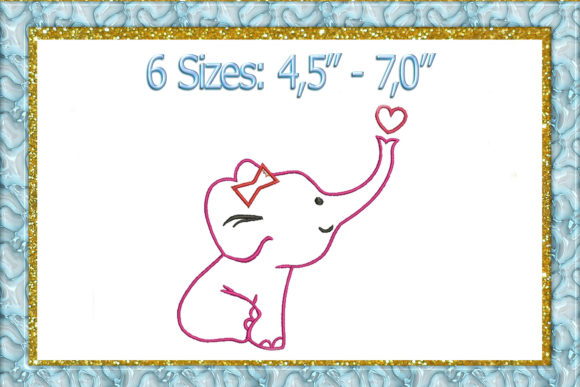
Right away, Elephant Applique reads as friendly and playful, not overly juvenile or cartoonish. This is important. A design that lives in the Baby Animals category can easily tilt too nurserycentric, but this elephant holds a gentle, almost storybook quality that works for grown‑up brands too. The shape has soft curves and a welcoming face, which makes it incredibly versatile. I wouldn’t call it rustic or premium in a luxury sense, but it has a handmade, approachable personality that feels honest and warm — exactly the vibe a small bakery, a florist, or a children’s bookshop might chase.
The description promises it will “add a fun and playful accent” to t‑shirts, pajamas, pillows, and room decor. That’s accurate, but from a business angle, I immediately envision it on apron embroidery, tote bag designs, and tiny embroidered patches for product packaging. It’s a design that invites a second glance and softens a brand without losing professionalism.
Real Business Applications: From Patches to Product Labels
When I think about Elephant Applique for actual commerce, I imagine a local creative studio ordering twenty caps with this elephant on the side panel, or a handmade soap brand stitching it onto linen gift bags. Here’s where this embroidery file truly earns its place:
- Embroidered patches for staff uniforms or customer freebies — small, standalone, and easy to apply on jackets or tote bags.
- Chest logo accents on aprons for a café or a florist. The friendly face replaces boring text logos and sparks conversations.
- Sleeve details on work shirts or boutique tees. A tiny elephant on a cuff? Memorable and shareable.
- Tote bag marks for bookstores, organic markets, or pet brands. The elephant implies gentleness and care.
- Product label accents on sewn tags or inside garment yokes, adding a signature touch that feels intentional.
- Etsy branding and craft business assets — stitch it on pouches, jar covers, or fabric baskets to create a cohesive line.
I have also used similar files to create digital embroidery file mockups for client approval. A clean printable mockup with Elephant Applique on a cap or a child’s tee can win a wholesale order fast. The design’s charm does the selling for you.
Watch Points: Where Elephant Applique Shines and Where It Needs Caution
Not every machine embroidery design is ready for every surface. I always run a mental checklist. Elephant Applique has a shape that will work beautifully at small patch sizes, but there are places where you must test first.
Small patch sizes: This is likely its sweet spot. However, if you plan to shrink it below two inches wide for a hat button or a tiny tag, inspect the stitch density and any tiny details like eyes or inner curves. Overly dense stitching on a miniature scale can pucker or lose clarity.
Curved surfaces: Cap fronts and sleeve crowns demand a design that conforms without distortion. The organic curves of the elephant should adapt well, but always do a sew‑out on a real cap. The trunk area might need slight repositioning in the hoop to avoid the center seam.
Textured fabrics: Toweling, fleece, or heavy knit can swallow fine details. Use a water‑soluble topper and choose the right stabilizer to keep the applique crisp. I’d also avoid very dark uniforms unless you test thread colors first — light grey elephants on black can disappear, so contrast is key.
Frequent washing: If this goes on staff aprons or children’s items, you need a durable embroidery file that won’t fray quickly. The applique method itself, with a tidy satin stitch edge, usually holds up well, but check that the tack‑down stitches are solid.
Brand Identity and Customer Perception
I have seen a small bakery replace its generic logo with a tiny embroidered animal and watch customer trust climb. Why? Because Elephant Applique communicates care. It says: We paid attention to the tiny things. In a crowded market of printed, mass‑produced merch, a stitched elephant on a custom apparel item or a handmade product adds perceived value. Buyers often interpret embroidery as a sign of professionalism and craftsmanship.
Visual consistency is another win. You can place the same elephant patch on a tote bag, a coffee sleeve, and a staff apron — instantly recognizable and deeply human. For a brand identity that leans into kindness, sustainability, or childhood nostalgia, this design is an emotional shortcut. It even works for pet brands or nature‑focused studios because an elephant suggests gentleness and community.
One important note: the Baby Animals category can skew a business toward a very specific audience. If your shop sells handmade baby gifts or nursery decor, Elephant Applique is a perfect fit. But if you’re a sleek, minimalist brand, you might need to pair it with a modern font or a clean layout to balance the playfulness.
Practical Embroidery Designer Tips for Elephant Applique
Before you load this digital embroidery file into your machine for a client order, run through my standard workflow. These steps have saved me from costly thread breaks and unhappy customers:
- Test in black and white first. Stitch a small outline‑only version to see if the silhouette reads clearly without color crutches.
- Check at actual patch size. Embroider the design at 2.5, 3, and 4 inches wide. Look for thread bunching, gaps, or distorted facial features.
- Review thread color contrast. If the elephant is light grey, it may vanish on oatmeal linen. A slightly darker outline or a tonal shift can fix that.
- Inspect spacing and overlaps. Applique edges need a clean satin stitch margin. Zoom in: is the trunk clearly separated from the body in the embroidery file?
- Confirm hoop size. The selling page may not list exact dimensions — measure the design in your software and verify it fits your smallest business hoop if you plan patches.
- Test on real fabric. Canvas tote, cotton apron, beanie knit, pique polo — each behaves differently. One stitch‑out on each fabric will reveal adjustments needed.
- Use proper stabilizer. For patches, a heavy cut‑away stabilizer is non‑negotiable. For caps, a tear‑away with a topping layer prevents sinkage.
- Create a client mockup. Overlay the stitched sample on a printable mockup photograph. This helps a bakery or boutique visualize the finished product before you mass‑produce.
- Compare with existing design assets. If your client already uses a monogram, see how Elephant Applique sits alongside it. Harmony matters.
- Verify commercial licensing. The description doesn’t detail usage rights. Always confirm that the embroidery file permits commercial embroidery on items for resale. A quick email to the designer saves headaches.
What I Love and What I’d Pair It With
I genuinely believe Elephant Applique is a high‑return asset for the right niche. It has a clear, readable silhouette and a joyful expression. I would not hesitate to use it as a cap embroidery mark for a children’s bookshop or as a subtle apron embroidery detail for a tea room. The design also looks promising on linen bread bags, fabric bookmarks, and even small lavender sachets sold as add‑on gifts.
If you’re building a coordinated line, I’d pair this elephant with a simple serif wordmark or a tiny floral sprig. The contrast between a clean typeface and the soft elephant shape creates a logo‑like impression without a formal branding package. It also leaves room for seasonal customization — stitch it in pastel threads for spring, or in muted mustard and rust for autumn markets.
Final Verdict: Smart Investment for Niche Branding
From a professional embroidery viewpoint, Elephant Applique is not just a decorative baby animal. It’s a business tool that can elevate small business merch, enhance brand identity, and make a finished product feel intentional and loved. It works on multiple fabrics and fits seamlessly into the commercial workflow of a busy embroidery shop.
Just remember that success lives in the testing phase. Run your sew‑outs, verify the hoop size and stitch density, and always present the elephant exactly as it will land on the final item. Your café client will see a warm, approachable symbol — and you’ll deliver a durable, profit‑friendly design.