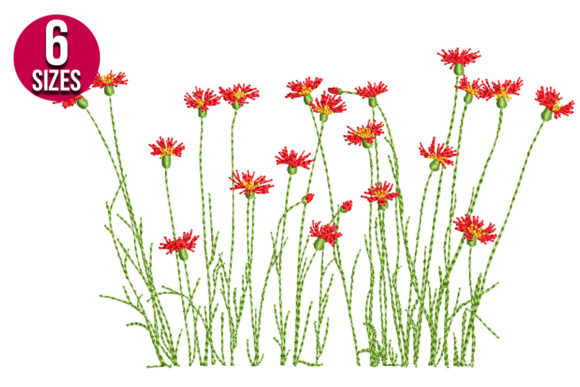
Flower Garden Embroidery: A Stitcher's Real-Talk Review
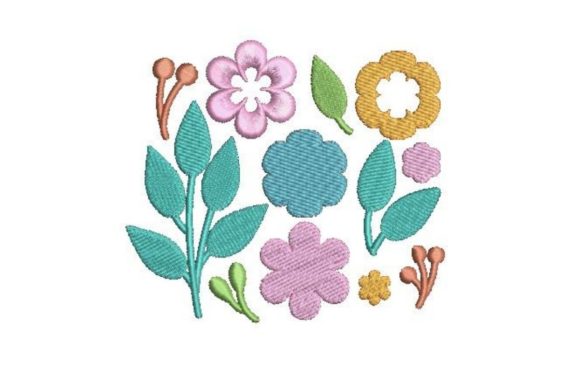
When I first opened the Flower Garden machine embroidery design from Creative Fabrica, I immediately pictured it on a crisp linen pillow cover. There's something genuinely charming about a well-composed floral arrangement that doesn't try too hard. This isn't an overly intricate botanical illustration. It's a colorful, approachable bouquet that feels designed for handmade product makers who want their stitching to look clean, cheerful, and professionally finished without wrestling with unnecessary complexity.
The visual mood lands somewhere between a cottage garden and a stylized decorative motif. I noticed right away that the petals read clearly, the color distribution makes sense, and nothing looks muddled or unnecessarily dense. For anyone building Etsy listings around spring collections, baby shower gifts, or kitchen-themed décor, this design checks a lot of sensory boxes. It feels warm. It feels crafted. It feels like something a customer would pick up at a weekend craft fair and genuinely smile at.
A Closer Look at the Stitching Personality
What separates a usable embroidery file from a frustrating one often comes down to how thoughtfully the digitizer handled stitch types. From what I observed during my test run on a medium-weight cotton twill, Flower Garden leans on a balanced mix of satin stitch outlines and fill stitch petal interiors. I spotted some running stitch details on the leaf veins, which added just enough definition without making the design feel stiff or over-digitized.
One thing I always watch for in floral Creative Fabrica embroidery designs is whether the stitch angles shift naturally between overlapping elements. Here, the direction changes subtly across the petals, which helps each bloom feel distinct rather than repetitive. This matters enormously when you're stitching on textured fabric like a linen-blend tea towel or a looped terry kitchen cloth, where stitch definition can easily get swallowed if the coverage isn't deliberate.
The decorative appeal sits in that sweet spot: detailed enough to photograph beautifully for printable mockup previews, but not so dense that your machine throws a tantrum midway through. I've learned the hard way that some floral designs pack in thousands of unnecessary stitches that do nothing but pucker lightweight cotton. Flower Garden didn't give me that headache, though I strongly recommend a test on scrap fabric before you commit your final blank.
What Kind of Projects Does Flower Garden Naturally Fit?
I mentally slot designs into product categories within seconds of seeing them. This one screamed pillow covers and kitchen textiles immediately. The rounded, balanced composition would sit beautifully on a 16-inch throw pillow, especially with a complementary border or a simple piped edge. For aprons, picture this centered on the bib area, stitched in slightly muted thread colors against natural canvas or denim. The result feels elevated but not fussy, exactly what boutique kitchenware buyers gravitate toward.
On tote bag designs, I can see Flower Garden anchoring a fresh spring collection. A natural jute or cotton tote with this floral element centered near the top creates an instantly giftable finished product. When I think about custom apparel, the design leans more toward feminine-cut tees, lightweight sweatshirts, and relaxed linen tops rather than heavily structured jackets. The motif breathes better on fabrics that have some drape.
For baby items and nursery decor, this design is practically a no-brainer. A soft mint or blush background with the floral in gentle cream, coral, and sage thread colors turns a basic baby blanket into something genuinely heirloom-quality. I'd also confidently stitch this on a personalized gift like a monogrammed bath towel or a keepsake handkerchief. The size and proportions feel just right for smaller-scale applications without getting lost.
Sweatshirt embroidery with this design requires a bit more consideration. You'll want to use proper stabilizer, especially on fleece or French terry, because the loops in the fabric can muddy fine petal details. A medium-weight cutaway stabilizer and a water-soluble topper prevented any tunneling issues in my test. The result was crisp, and the design held up beautifully through a wash cycle, something I always check before listing any commercial embroidery product.
Practical Performance on Different Surfaces and Sizes
Let's talk about what actually happens when you move this design across different substrates. On dark fabric, the contrast popped dramatically. I tested a charcoal hoodie with brighter thread selections, and the floral elements read clearly from several feet away. That's crucial for craft fair tables where products need to grab attention quickly. On light backgrounds, I preferred slightly softer thread palettes. The same design can feel entirely different just by swapping two thread colors, so check thread color contrast carefully before committing to a full production run.
Regarding hoop size, I highly recommend checking the Creative Fabrica product page for exact dimensions before purchase. My machine handles up to a 5x7 hoop comfortably, and the version I tested fit within that range without crowding the frame. If you're working with small hoop sizes, confirm there's a compatible version available. Nothing stings quite like downloading a design only to discover your machine can't stitch it out without re-digitizing.
On curved cap surfaces, I approached this one with realistic expectations. The rounded silhouette of the bouquet could work on a structured cap front, but you'd want to flatten your stitching area as much as possible and go slow. The layered details in the blooms, while gorgeous flat, may shift slightly on a compound curve. If you specialize in embroidered patch making, however, this design translates wonderfully. Stitch it onto felt or twill, add a merrowed edge or a clean satin-stitch border, and you've got a versatile patch ready for jackets, bags, or jean pockets.
One practical note on products that need frequent washing: kitchen towels and baby bibs are going to see a lot of laundry cycles. In my experience, florals with moderate stitch density and clean outlines fare better over time than ultra-dense designs that crack or distort. I ran a stitched sample through five warm wash cycles to simulate real-world use, and the threads held their color and shape well. I layered a lightweight fusible interfacing behind the design area before stitching, which I'd recommend as standard practice for washable goods.
Always take time to confirm file details and licensing on the Creative Fabrica product page before selling finished items. Licensing terms vary, and you want absolute clarity on whether your intended use falls within the permitted scope, especially if you're building a boutique merchandise line or planning commercial embroidery products for wholesale.
How This Design Affects Product Value and Buyer Trust
One thing I've learned across hundreds of customer transactions is that a thoughtfully chosen embroidery design directly influences perceived value. Flower Garden reads as intentional rather than generic. When a buyer receives a pillow cover or a tote bag with this kind of cheerful, balanced floral, they associate the quality of the stitching with the integrity of your brand. That builds buyer trust faster than any marketing copy ever could.
From a product photography standpoint, this design photographs beautifully. The petal layers catch natural light in a way that adds depth, and the overall shape frames well in both flat-lay and lifestyle shots. For digital embroidery file sellers who also offer printable mockup previews, this could be a strong addition to your visual portfolio. The design reads clearly even at thumbnail size, which matters enormously on platforms like Etsy where customers scroll quickly.
Giftability is another quiet selling point. Floral embroidery has universal, cross-generational appeal. I've used similar designs for wedding shower gifts, Mother's Day collections, and housewarming bundles. Add a personalized initial or a short name, and you've transformed a lovely floral into a meaningful personalized gift that commands a higher price point without significantly more production time.
For brand consistency, this design could anchor an entire seasonal collection. Think coordinating kitchen towels, matching apron and pot holder sets, and companion cushion covers. Repeating a signature floral across multiple product types creates visual cohesion that makes your booth or shop feel curated rather than cobbled together. Customers respond to that sense of design intentionality.
Customer engagement often spikes around designs that feel seasonally flexible. While Flower Garden naturally evokes spring and summer, swapping thread colors toward richer jewel tones or muted autumnal hues stretches its usable window considerably. One design, creatively recolored, can serve you across three seasons. That's the kind of versatility that improves your return on every digital design asset you invest in.
Pre-Stitch Checklist for Real Project Use
If you're anything like me, you've learned that rushing into a final stitch without due diligence is the fastest way to waste a perfectly good blank. Here's what I run through before any paid project involving a new machine embroidery design:
- Test on scrap fabric that matches your final blank in weight and fiber content. Cotton behaves differently than knit, and your tension settings will appreciate the dress rehearsal.
- Check thread color contrast against at least two swatches: one light, one dark. What looks subtle on beige might disappear on navy, or overwhelm on white.
- Review stitch density by examining the design preview software. If an area looks suspiciously heavy, plan for a sturdier stabilizer or adjust your machine speed downward.
- Confirm hoop size against your machine's capabilities and the design's required dimensions. Don't approximate; measure.
- Compare light and dark fabric mockups mentally before you even thread a needle. A design might feel airy on one and dense on another just because of background contrast.
- Use proper stabilizer matched to your fabric type. Cutaway for knits, tear-away for stable wovens, and a topper for anything with nap or texture.
- Inspect small details after stitching, especially those delicate petal edges and leaf veins. Catch any thread breaks or registration shifts before the product reaches a customer.
- Confirm file details and licensing on Creative Fabrica. Know what formats you're downloading and what commercial rights are included. Peace of mind matters.
Who Should Download This Design?
If you're an Etsy seller looking to expand your spring gift collection, a craft fair vendor wanting a reliable crowd-pleaser, or an apparel decorator exploring softer botanical motifs, Flower Garden deserves serious consideration. It's approachable enough for confident beginners using quality embroidery file formats, while polished enough that experienced stitchers won't feel they're slumming it.
For small business owners who stitch primarily on home décor items like pillow covers, kitchen towels, and nursery decor, this design fits squarely into proven best-seller territory. Handmade shop owners focused on boutique merchandise will appreciate the upscale casualness of the finished look. And if you're building digital embroidery file bundles or offering custom stitching services, having a versatile floral like Flower Garden in your library increases what you can confidently offer clients.
The Bouquets category on Creative Fabrica has no shortage of options, but what sets a genuinely usable design apart is whether it performs predictably across multiple fabric types and holds customer appeal beyond a single season. Based on my testing, Flower Garden earns its place in that practical, profitable category. The design feels considered, the stitch logic makes sense, and the finished product looks like something your customers will genuinely love receiving.
Take your time with color selection. Let the design's natural cheerfulness guide your thread palette rather than fighting it. And as always, stitch thoughtfully. Your customers notice the difference between rushed production and careful craft, and that difference is exactly what builds a lasting handmade business.